The Power of Markers.
Ever feel like your dog almost understands what you want, but the timing is just a little bit off? That is where markers come in. Marker training is one of the most effective ways to build clear communication, speed up learning, and make training enjoyable for both you and your dog.
What is a Marker?
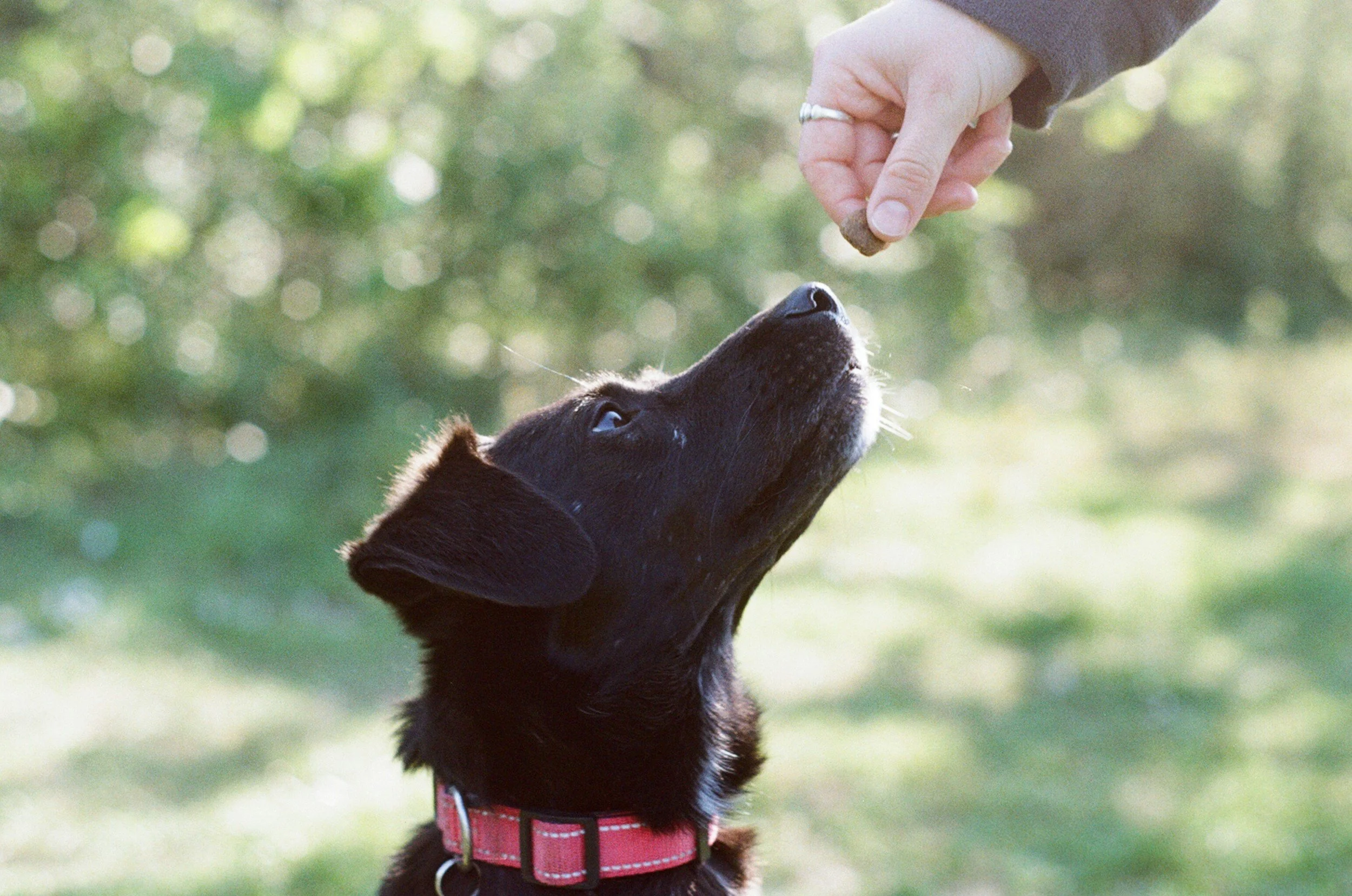
A marker is a distinct, instant signal, a specific sound, word, or click, that tells your dog the exact millisecond they did something right.
Think of a marker like taking a quick photo with your phone. It snaps a picture of the exact behavior you want to reward, bridging the gap between the correct movement and the delivery of the reward.
Why Marker Training Works
Eliminates Confusion: Dogs live in the present moment. If your dog sits and you take five seconds to pull a treat out of your pocket, they might think they are being rewarded for standing back up. A marker pins down the exact moment of success.
Builds Confidence: When rules are clear, dogs don't have to guess. They quickly learn how to control their environment and earn rewards through focus and cooperation.
Speeds Up Learning: Clear feedback means faster progress. Your dog learns to repeat rewarded behaviors much quicker because the rules never change.
Types of Markers
You can use verbal words or mechanical sounds as markers. The key is consistency and crisp timing.
Terminal Marker (e.g., "Yes!"): Signals to your dog that they performed the correct behavior, the exercise is complete, and they can come to you to get their reward.
Duration Marker (e.g., "Good"): Signals that they are doing the right thing and should hold that position (like a stay) to keep earning rewards.
Clicker: A small plastic box that makes a crisp "click" sound. It provides a neutral, highly precise marker sound that never changes tone.
How to Introduce Markers at Home
1. Charge the Marker: Say your chosen marker word (like "Yes!") in a clear, upbeat tone, then immediately give your dog a high-value treat. Repeat this 10–15 times without asking for any behavior until your dog's ears perk up the second they hear the word.
2. Time It Precisely: Practice marking simple behaviors your dog already knows, like a sit or down. Mark the exact moment their bottom touches the floor.
3. Follow Through 100% of the Time: A marker is a promise. Every single time you use your marker word, a reward must follow—no exceptions!
Real-World Application
Whether you are teaching a rock-solid recall, polishing up leash manners around distractions, or building focus during daily walks, markers give your dog the clarity they need to succeed.